
Services Memphis Businesses Trust for Builds & Moves
Every fast, reliable network you’ve ever used was built on top of cabling nobody thinks about — until it’s done badly. Wi-Fi that drops in the conference room, a switch that overheats because it’s crammed into a closet with a rat’s nest of cables, an office move where “we’ll figure out the network later” turns into two weeks of extension cords and hotspots. Bad or missing structured cabling doesn’t show up as a cabling problem. It shows up as a network problem, and it doesn’t go away until the cabling itself gets fixed.
That’s the piece of IT work most business owners never think about until they’re moving into a new space, expanding into more square footage, or trying to figure out why their expensive new Wi-Fi routers still can’t cover the whole building. Network cabling services are the unglamorous, physical foundation everything else — your Wi-Fi, your phones, your servers, your security cameras — has to run through.
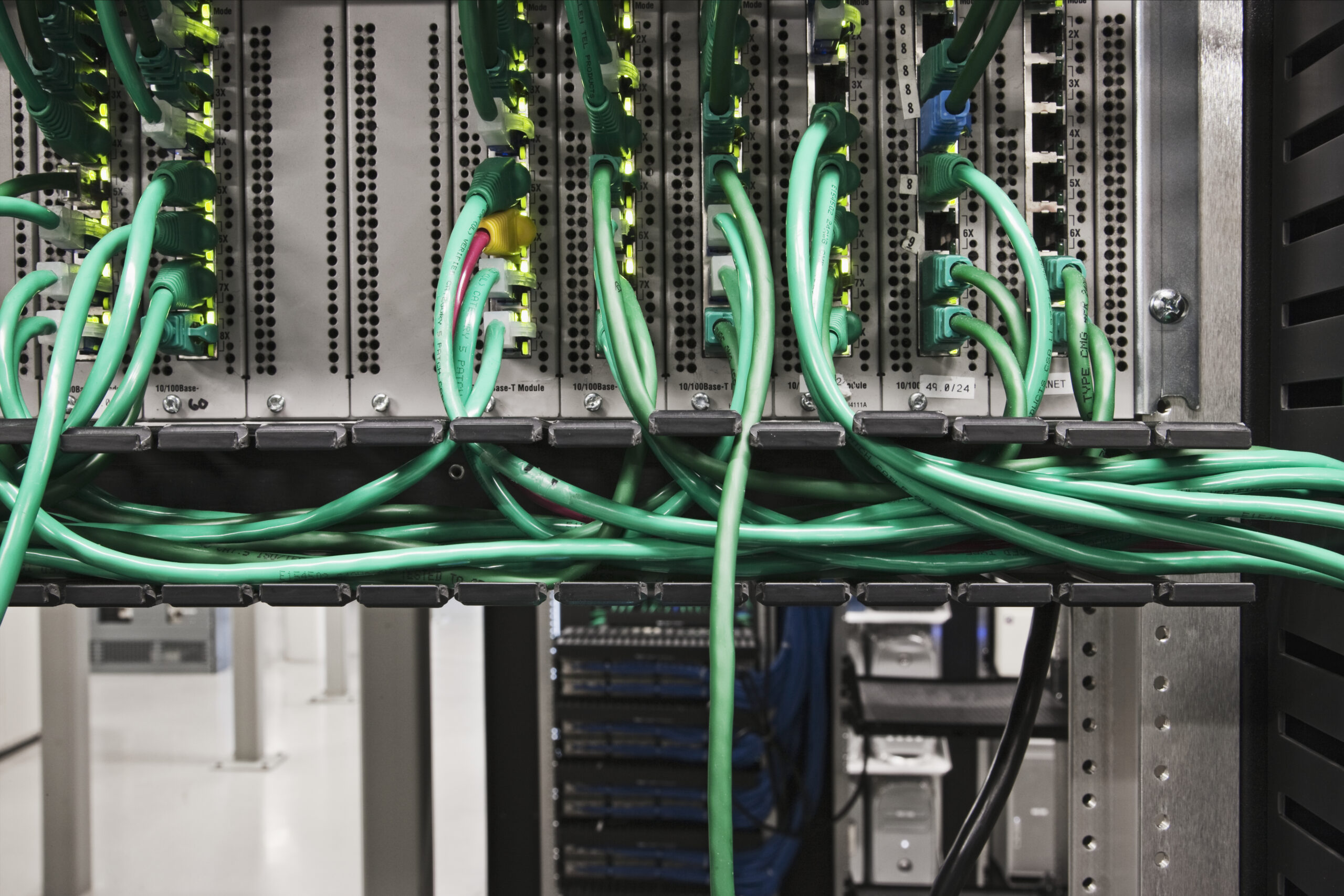
When we talk about network cabling for a Memphis business, we mean the physical, low-voltage infrastructure that connects every device in your building to your network:
A lot of the Wi-Fi complaints, dead zones, and “just restart the router” fixes we get called out for trace straight back to cabling that was never done right in the first place — runs that are too long, cheap cable that can’t reliably carry the speeds a modern office needs, or access points wired into whatever jack happened to be nearby instead of where coverage actually needed to be.
It’s the same story with office moves. Businesses that treat cabling as something to sort out after the desks are in place almost always end up paying for it twice: once for a rushed, patched-together setup to get through moving week, and again to actually fix it properly a few months later once everyone’s tired of the Wi-Fi cutting out. Planning the cabling alongside the buildout — not after it — is the difference between a network that works the day you open your doors and one you’re still fighting with in month three.
This is also the piece that makes the rest of your network possible. You can buy the best routers and switches on the market, but they only perform as well as the cabling underneath them lets them. That’s why cabling work ties directly into our broader IT Network Support services — the wiring is the foundation; the Wi-Fi, switches, and monitoring on top of it are only as good as what’s underneath.
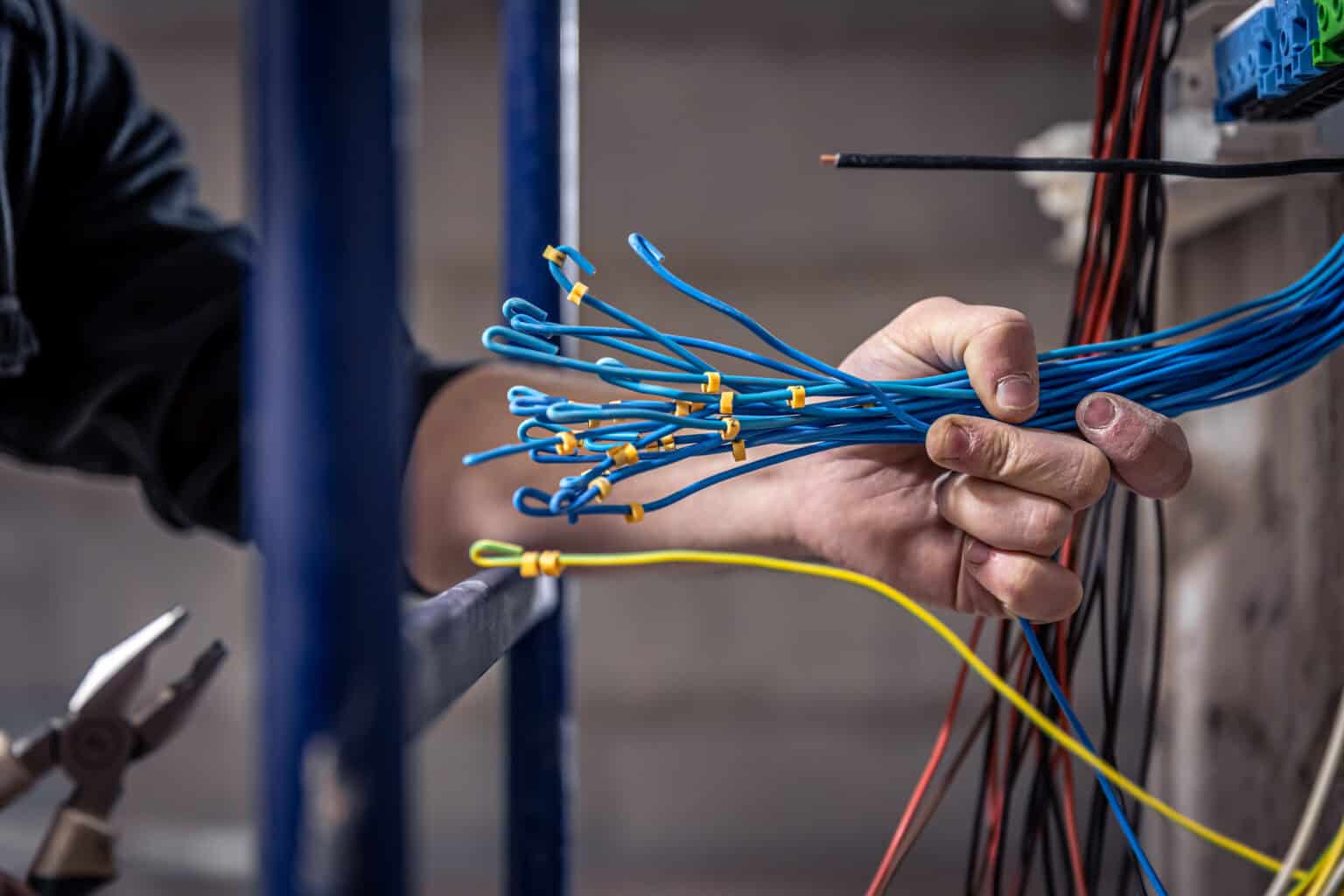

Whether it’s a full new office buildout or adding a handful of drops to an existing space, our process stays the same:
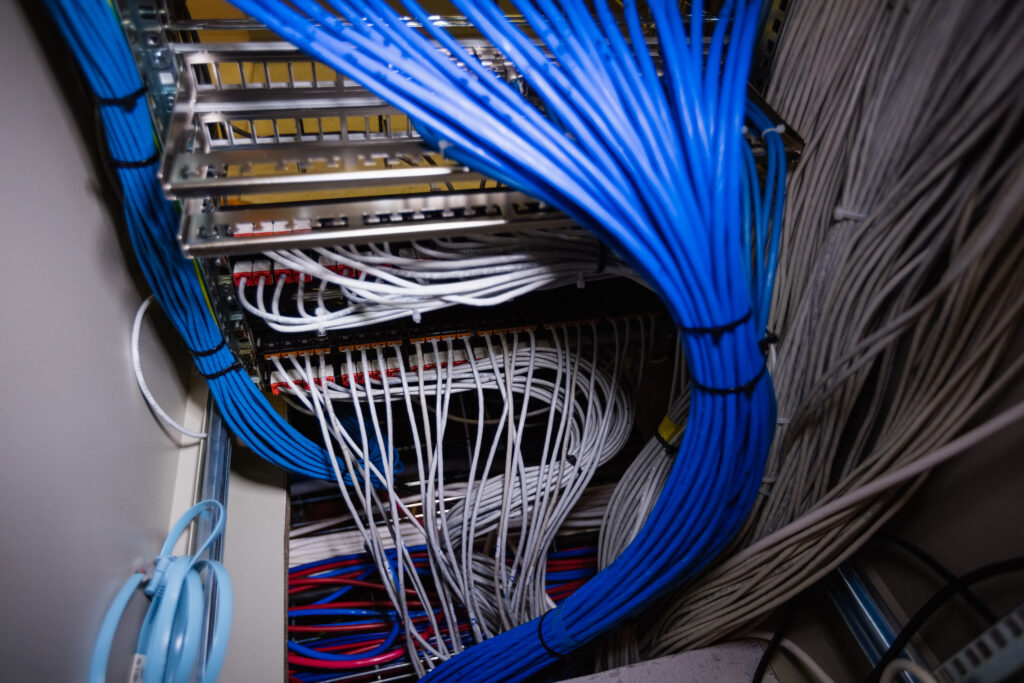
If you’re planning an office move, a lease renewal with a build-out, or an expansion into more square footage, the earlier cabling gets into that conversation, the better — and typically the cheaper. Running cable before drywall goes up, or before furniture and equipment arrive, is dramatically less disruptive than fishing wire through finished walls or working around a fully occupied office.
Fill out the short form below this section — your name, business name, phone, email, and a quick note on what’s going on (just exploring, something’s actively broken, or you’re ready to switch providers). Hit “Get My Free Audit,” and we’ll follow up to schedule your audit and get it on the calendar. No lengthy intake process, no obligation to buy anything afterward.
Find quick answers to the most common questions about our Network Cabling Services
If you’re planning a move, an expansion, or a buildout, get the cabling conversation started before the walls close up. Call BRD at (901) 708-7844 or request a free IT audit, and we’ll help you plan a network that’s built right from the studs out.